

If the past few years of interiors have taught us anything, it’s that trends move fast. As someone who spends a lot of time walking through homes, staging spaces, and helping people fall in love with where they live (or what they’re about to buy), I’m seeing a clear shift in 2026.
In a nutshell, people are moving away from “show-home perfection” and toward something more personal, layered, and lived-in. In fact, recent industry reports from major design platforms like Houzz and Pinterest show a strong rise in searches for terms like “warm minimalism,” “cozy interiors,” and “nature-inspired homes”—all pointing to one thing: people want their homes to feel like a sanctuary, not a showroom.
So, let’s talk about the outdated interior design trends and what’s taking their place.
The overall interior design feel for 2026: Softer, warmer, more personality
There’s a move toward interiors that feel grounded and calming. In general, homes are becoming more human, less curated, and more collected. Homeowners achieve this look through:
- Natural textures
- Earthy, warm color palettes
- Imperfection (in the best way)
- Spaces that prioritize comfort over aesthetics
With that in mind, here are eight outdated interior design trends to say goodbye to in 2026.
1. All-white everything
For years, crisp white interiors dominated. But I’m seeing buyers respond to warmth over stark spaces that have a clinical feel.
What’s replacing it: Creams, taupes, soft browns, and layered neutrals feel more inviting.
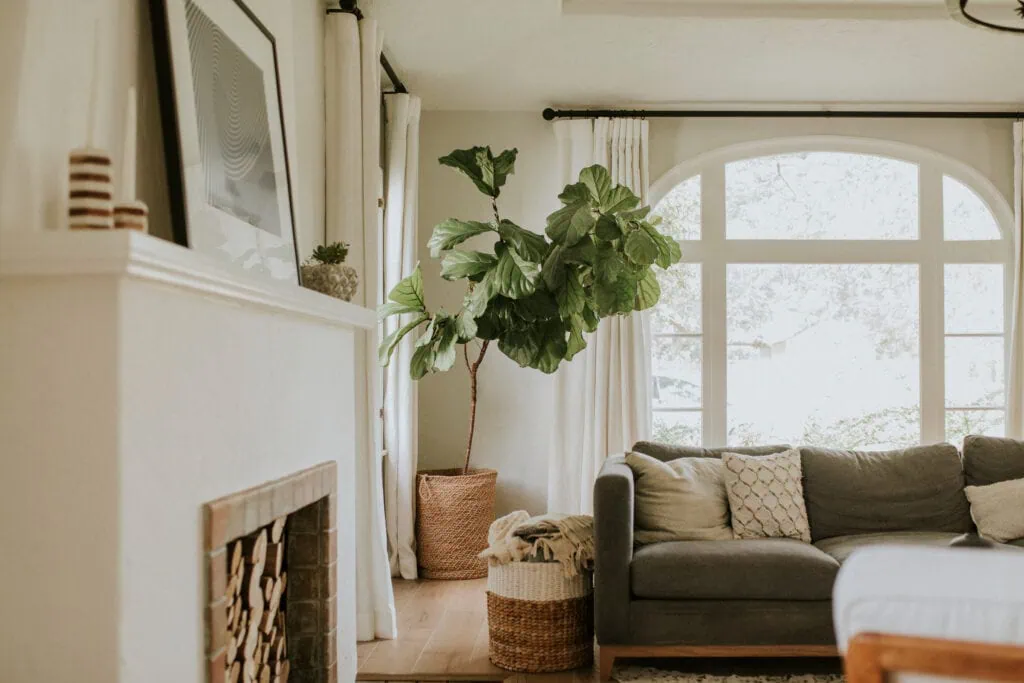
2. Fast furniture and disposable decor
Mass-produced, trend-driven furniture is losing appeal, especially as sustainability becomes a bigger priority. According to recent sustainability insights highlighted by the World Green Building Council, demand for longer-lasting, eco-conscious materials continues to rise.
What’s replacing it: Investment pieces, vintage finds, and quality craftsmanship.
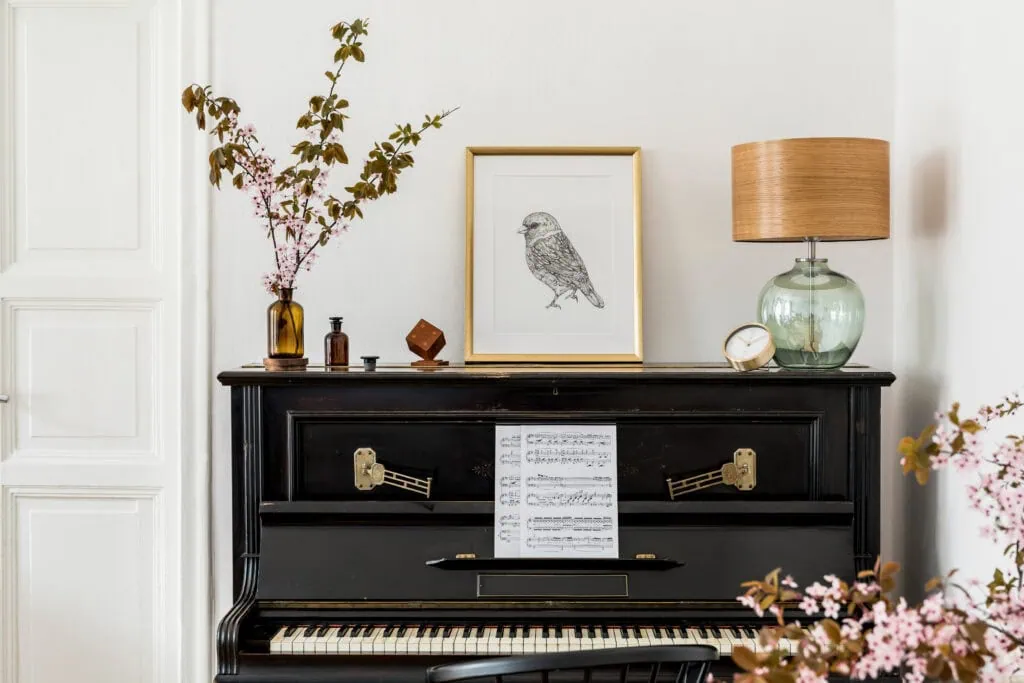
3. Open shelving overload
Open shelving had its moment, but let’s be honest, it’s hard to maintain and not always practical. My clients are prioritizing clean, concealed storage these days.
What’s replacing it: Closed cabinetry with thoughtful display moments.
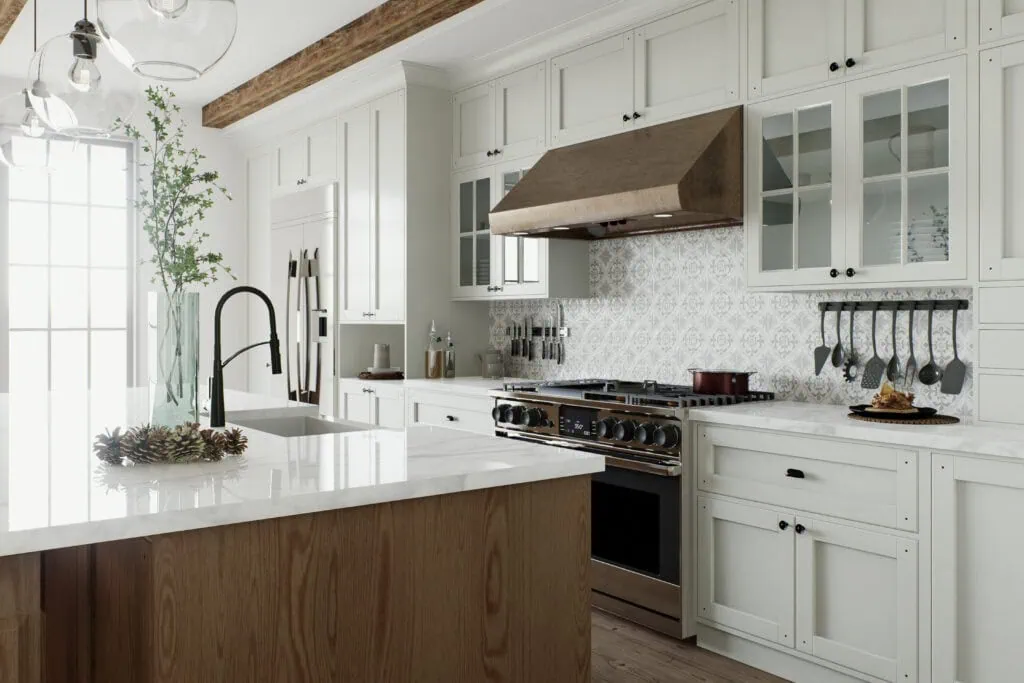
4. Gray-on-gray interiors
Like white-on-white, cool grays are starting to feel a bit… flat. In my opinion, these spaces can come across as slightly cold or one-dimensional. Buyers are drawn to interiors that feel layered and inviting, rather than overly uniform.
What’s replacing it: Warmer tones like oak, walnut, terracotta, and muted greens.
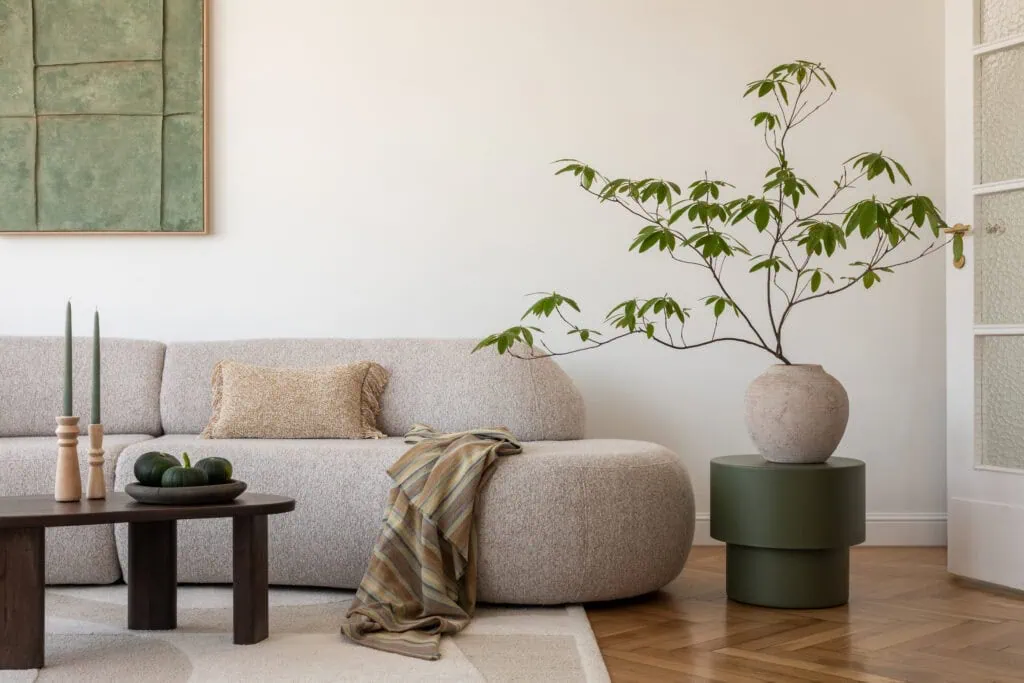
5. Overly matching furniture sets
The “buy the whole set” look is an outdated interior design trend that’s fading fast in 2026. It can make a home feel staged rather than lived in. Feel free to have a bit more fun!
What’s replacing it: Mix-and-match pieces that tell a story. “This was my Grandma’s, I couldn’t resist this at a yard sale, I collected this piece on my travels” kind of vibes.
6. Statement walls
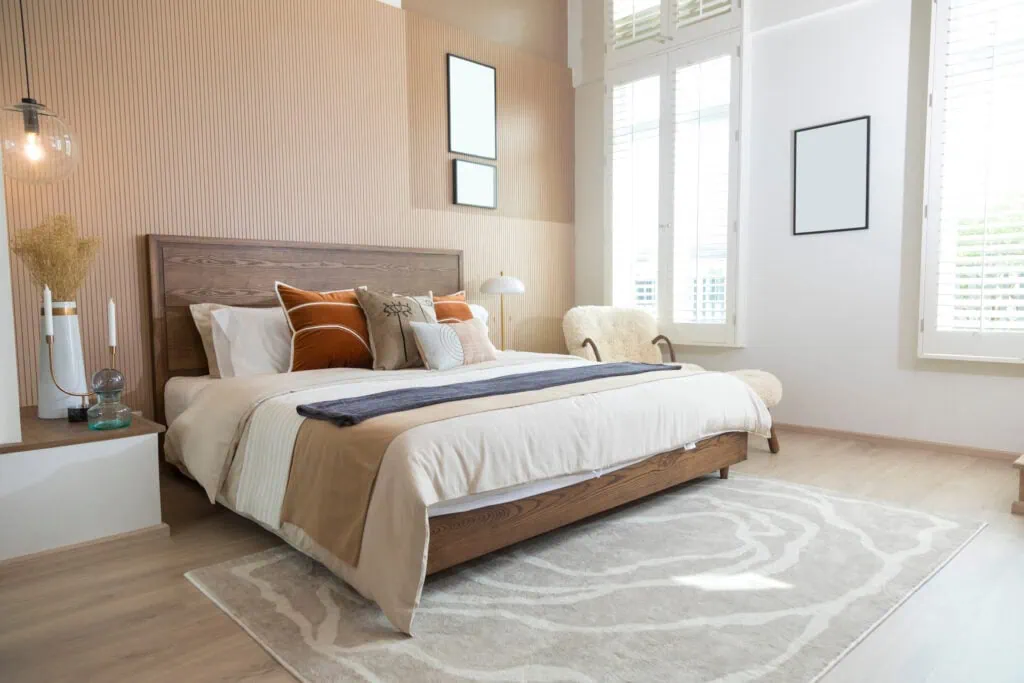
Bright, single accent walls are feeling dated. Although they have been popular in recent years, high-contrast feature walls can sometimes feel a bit abrupt or disconnected from the rest of the space. Instead of drawing you in, they can break the flow, especially in more open-plan homes.
What’s replacing it: Subtle texture like limewash, plaster finishes, tonal layering.
7. Ultra-minimal, personality-free spaces
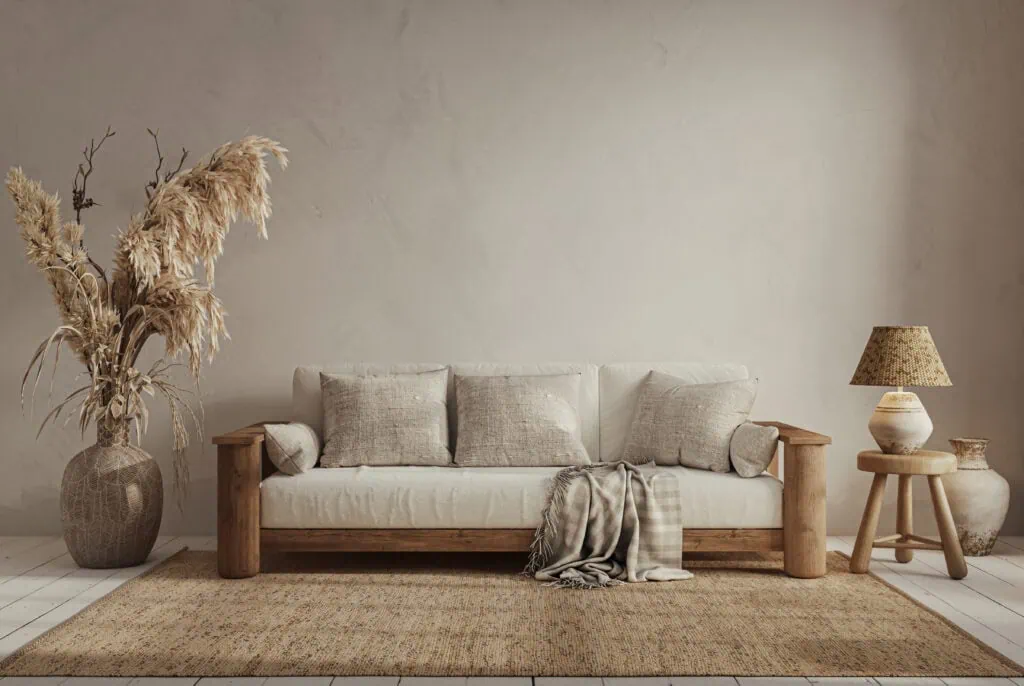
Minimalism isn’t entirely out, but the extreme version is. Buyers seem to be connecting more with homes that feel personal and authentic.
What’s replacing it: What designers are calling “warm minimalism,” which is clean, but with character.
8. Industrial overload
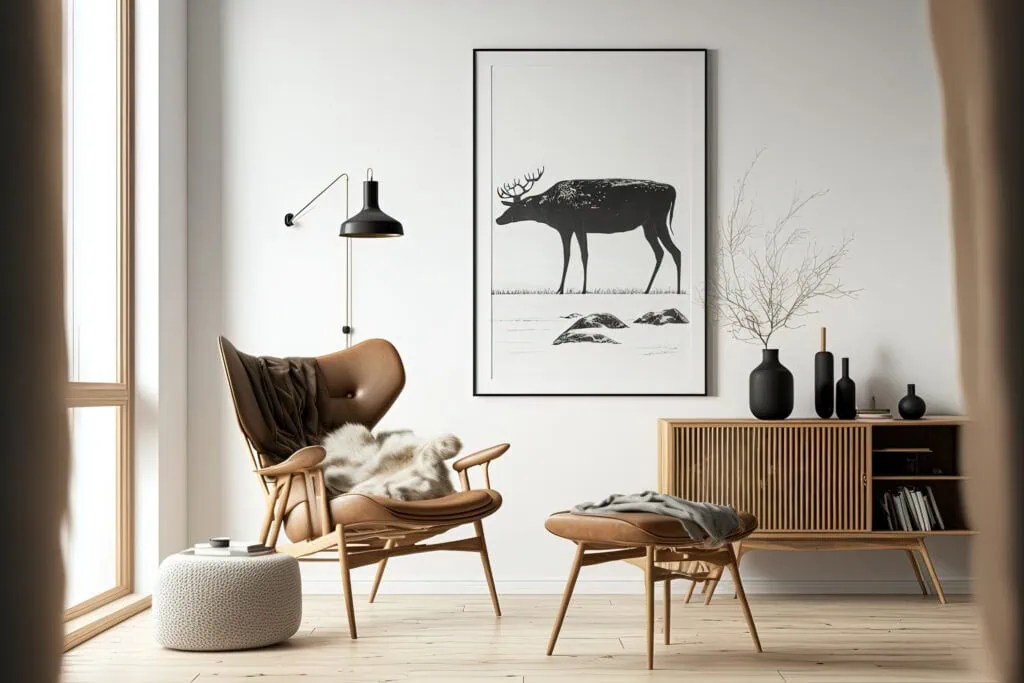
The exposed pipes, harsh metals, and industrial finishes we loved a few years ago are softening.
What’s replacing it: “Organic modern”—where raw elements like concrete or steel are balanced with warm woods, soft textiles, and natural light.
What’s still in style (and sticking around)
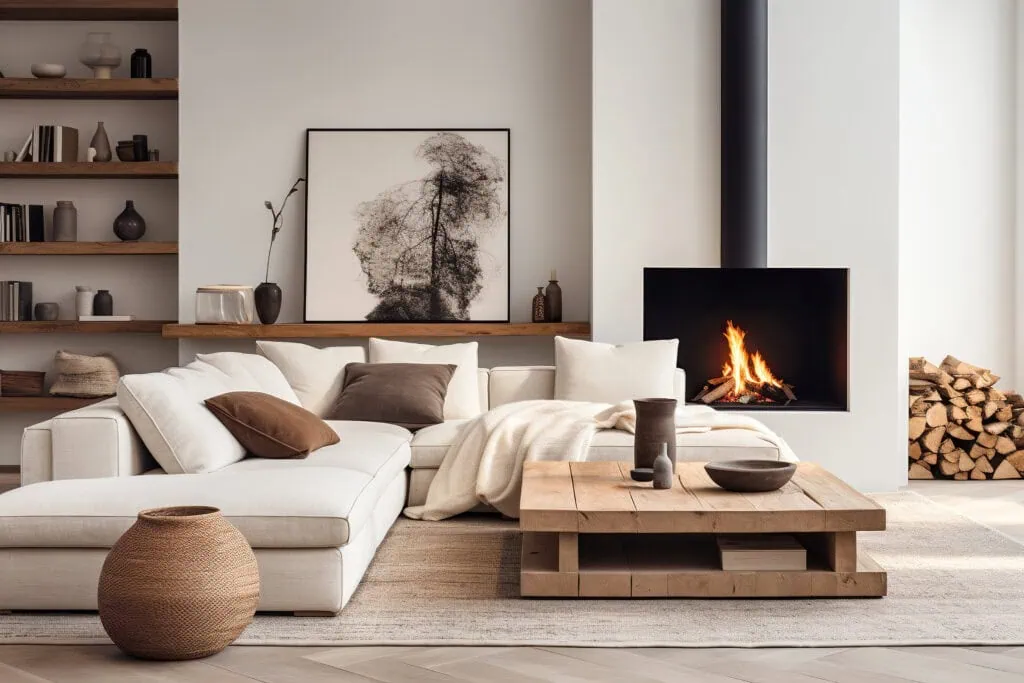
Not everything is changing. In fact, some of the best design choices are the ones that create a sense of calm, longevity, and ease—things buyers are consistently drawn to.
These trends are holding strong into 2026:
- Natural materials (wood, stone, linen)
- Indoor-outdoor flow
- Neutral, nature-inspired palettes
- Comfortable, functional layouts
- Layered lighting (not just overheads)
Recent data from Pinterest’s 2026 Spring Trend Report showed a noticeable rise in searches tied to nature-led living and slower, more intentional home designs. So while trends will always evolve, this idea of serenity, softness, and connection to nature isn’t going anywhere anytime soon.
Your home should reflect your life, your taste, and your story.
I love keeping you in the loop with what’s trending, what’s fading, and what buyers are responding to right now. But I want you to know that you don’t need to redesign your home every time trends change. Not only is it expensive and exhausting, but it often strips away what makes your space yours. So yes—use trends as inspiration, but don’t let them dictate how you live. Because at the end of the day, the most timeless design trend out there is the look that feels authentic to you.